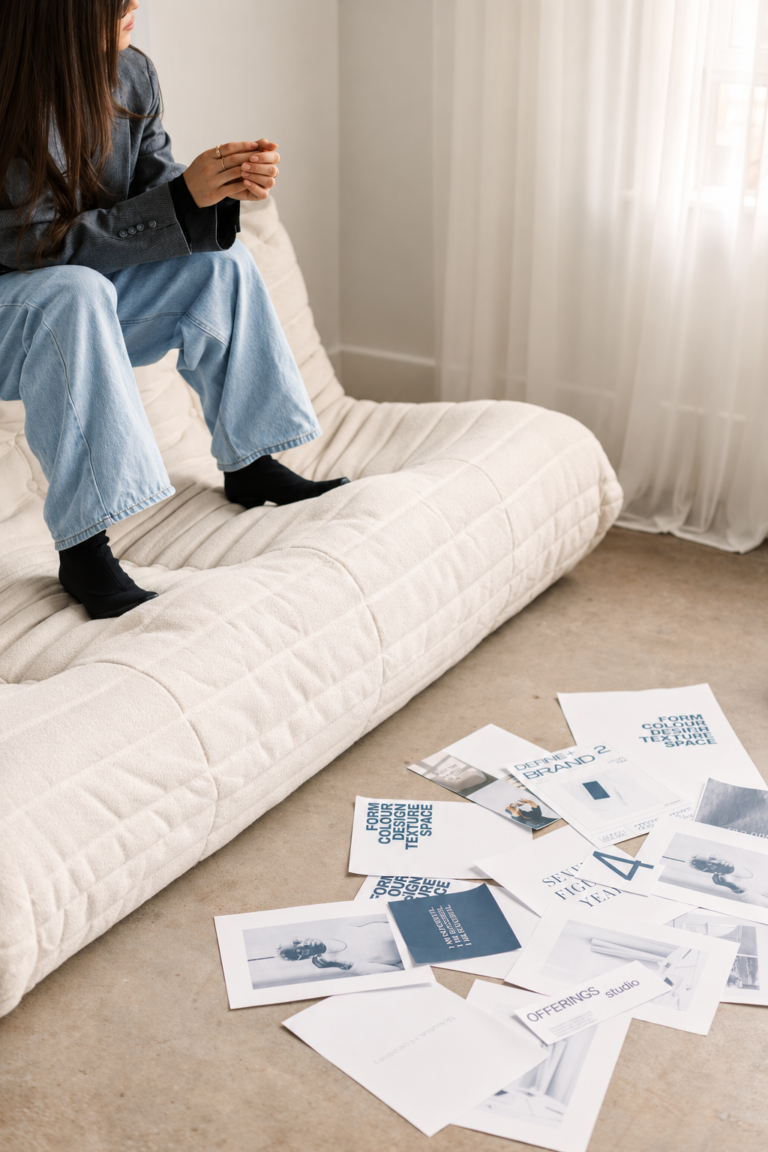
The outfit you wear to a personal brand photoshoot does more than make you look polished.
It communicates before anyone reads your bio, studies your services, or learns how you work. A structured blazer can suggest precision. Soft tailoring may feel refined but approachable. A saturated color can create energy, while quiet neutrals leave more room for your expression and surroundings.
This does not mean your wardrobe needs to become a costume.
Knowing what to wear for a personal brand photoshoot is about translating your existing identity into images that support the business. The best styling feels recognizably like you, only more intentional. It works with your visual brand, gives the photographer useful variety, and creates photographs you can use across your website, content, media features, and offers.
The goal is not to assemble several attractive outfits. It is to create a wardrobe plan for the story your images need to tell.
Start With the Brand, Not the Closet
Before pulling clothes from your wardrobe, define what the photographs need to communicate.
Choose three to five qualities you want the images to convey.
You might choose:
- Polished
- Creative
- Warm
- Precise
- Relaxed
- Editorial
- Approachable
- Established
- Modern
- Expressive
Avoid selecting qualities simply because they sound desirable. Choose the ones that genuinely reflect your work and the experience you want people to expect.
Then ask:
- What do clients hire me to do?
- What level of investment or experience does the brand represent?
- How closely do clients work with me?
- Where will the images appear?
- What should someone feel when they see them?
- Which parts of my personality should be visible?
- What would feel too formal, casual, trendy, or distant?
A founder offering high-touch strategic consulting may want a different visual balance than a ceramic artist, wellness educator, or fashion copywriter. All four can look elevated without looking the same.
Consider the Complete Image Library
A brand photoshoot should create more than one excellent portrait.
Think about the complete set of photographs your business will need over the next several months.
Useful image categories may include:
- Homepage hero images
- About page portraits
- Services page photographs
- Horizontal website banners
- Vertical social media images
- Pinterest graphics
- Newsletter headers
- Profile pictures
- Podcast or speaker headshots
- Launch content
- Behind-the-scenes images
- Detail photographs
- Images with negative space for text
Your wardrobe should support this variety.
A formal outfit may work beautifully for a speaker bio and About page. A softer working look may feel more natural in process content. A distinctive statement piece could become the visual anchor for a launch or editorial campaign.
Plan outfits around their intended use rather than bringing several options with no role.
Create a Wardrobe Story
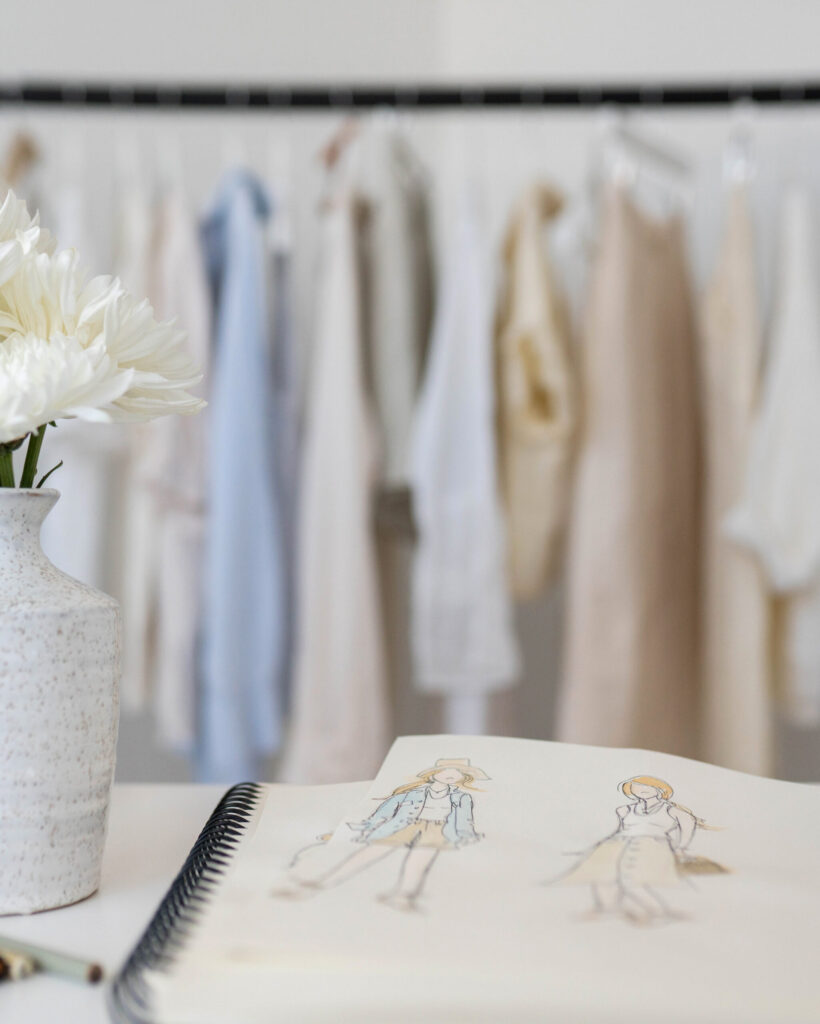
Your outfits should feel related without looking identical.
Choose one visual thread to connect them. This could be:
- A consistent color family
- Similar tailoring
- Repeated metal tones in jewelry
- A recognizable silhouette
- A balance of structure and softness
- A recurring accessory
- Consistent makeup and hair
- One signature color used in different amounts
Imagine the photographs appearing together on an About page, Instagram grid, or press kit. The wardrobe should look like it belongs to one person and one brand.
A cohesive wardrobe story might include:
- A structured signature look
- A relaxed working look
- A softer or more personal look
- A statement layer or accessory for variety
You can often create all four from fewer garments by changing layers, shoes, jewelry, or styling.
Build Around One Signature Look
Choose one outfit that expresses the brand especially well.
This is the look you would wear for the most important portrait, homepage image, press photograph, or signature service page. It should feel current, flattering, comfortable, and unmistakably aligned with your professional identity.
A signature look might include:
- A beautifully cut suit in a recognizable color
- A refined dress with architectural detail
- Wide-leg trousers and a silk blouse
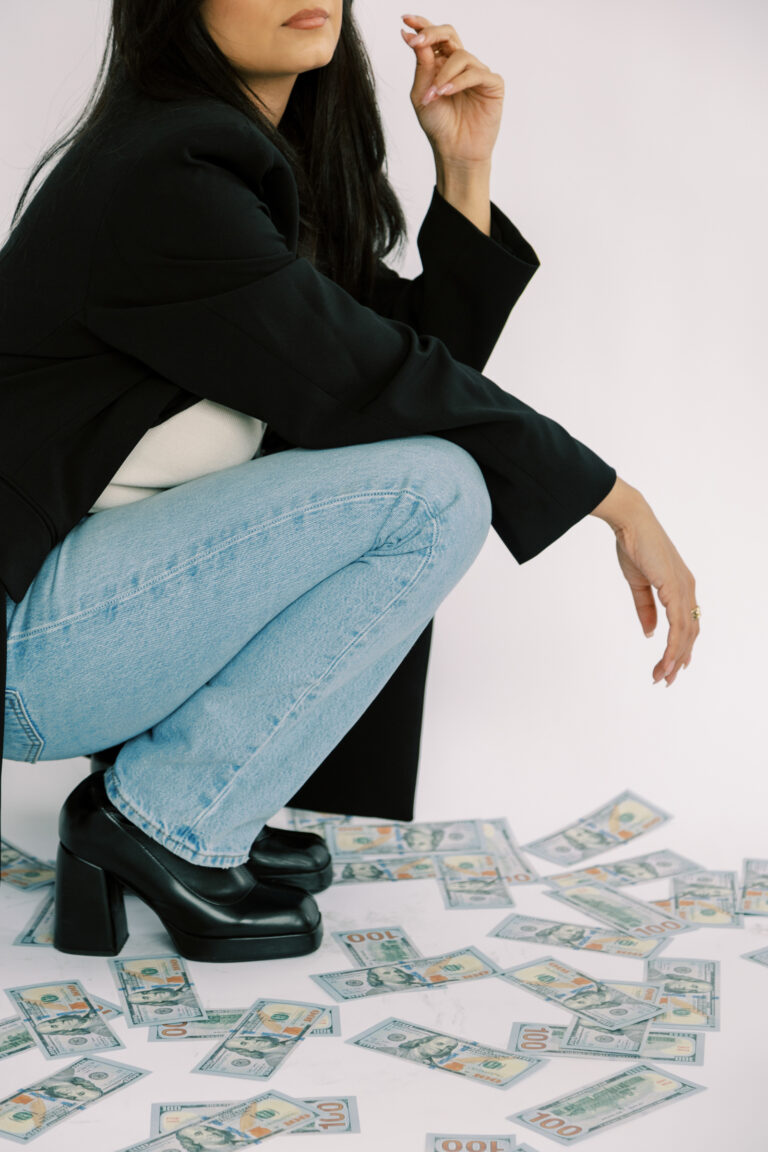
- Dark denim with an elegant jacket
- A monochromatic knit and tailored skirt
- A creative uniform connected to your craft
The exact garment matters less than the combination of fit, confidence, and relevance.
Ask yourself whether the outfit still feels like you when removed from the mood board. If it only makes sense because it resembles an image you saved from someone else’s brand shoot, reconsider it.
Inspiration should help you articulate your taste, not borrow another person’s identity.
Coordinate With Your Brand Colors Without Matching Them Exactly
Your wardrobe does not have to reproduce your website palette.
If your brand uses pale blue, you do not need to wear pale blue in every photograph. You can work within a related color world through neutrals, deeper shades, complementary tones, or small accents.
Consider three groups:
Core Neutrals
These create flexibility and keep the image library cohesive.
Examples include:
- Ivory
- Cream
- Camel
- Chocolate
- Navy
- Charcoal
- Soft gray
- Black
- Denim
Brand-Related Colors
These connect visually with your website, graphics, and marketing materials.
You might wear a muted version of a brand color, choose a darker shade, or introduce it through a blouse, jacket, shoe, or accessory.
Accent Colors
These create a focal point and add energy.
Use an accent color for a statement outfit or small detail rather than placing several competing colors in one frame.
Ask your photographer or creative director about the planned backgrounds and locations. A cream suit may disappear against an ivory wall. A bright color can look beautiful in a minimal studio but compete with a highly detailed setting.
The subject, clothing, and environment should support one another.
Pay Attention to Silhouette
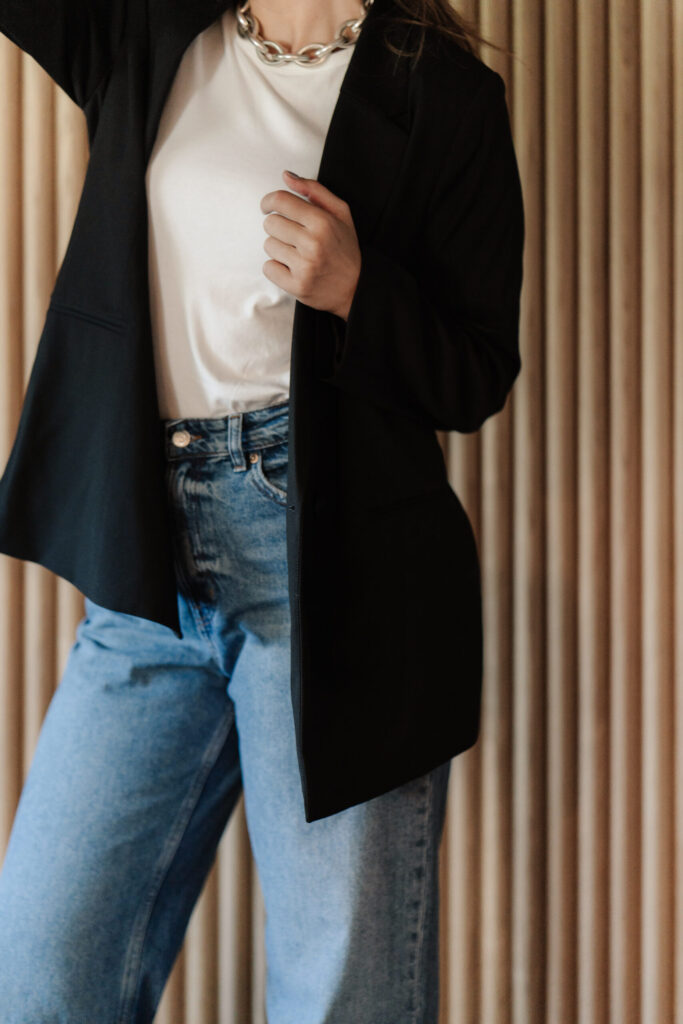
Silhouette often matters more on camera than a garment’s small details.
A strong silhouette gives the body shape and creates readable lines in both full-length and cropped photographs.
Look for:
- Defined shoulders
- A visible waist when desired
- Intentional sleeve length
- Trousers with a clean line
- Jackets that sit properly when buttoned and open
- Skirts or dresses that move well
- Necklines that work from multiple camera angles
- Layers that retain their shape when seated
Test each outfit standing, sitting, leaning, walking, and reaching.
A jacket that looks impeccable while standing may bunch awkwardly when seated. A blouse may shift when you raise your arms. A dress may require constant adjustment. Those issues affect both your comfort and the photographer’s ability to capture natural movement.
Take quick phone photographs from the front, side, and seated position. Mirrors show how an outfit feels in motion; photographs reveal how its proportions translate into a still image.
Choose Fabrics That Photograph Well
Texture adds depth to images, particularly when the color palette is restrained.
Useful textures may include:
- Linen
- Silk
- Fine knits
- Wool
- Tweed
- Denim
- Soft leather
- Matte crepe
- Subtle ribbing
- Structured cotton
Be mindful of fabrics that wrinkle severely, reflect strong studio lights, cling unexpectedly, or become transparent under flash.
Very small checks, narrow stripes, and tight geometric patterns can create a distracting visual effect on camera. If you want to wear a print, test it in photographs beforehand and bring a solid alternative.
Avoid outfits covered in large logos unless the brand relationship is intentional and relevant. The photograph should remain useful even after a particular trend or label has passed.
Use Layers to Create More Images Efficiently
Layers allow you to change the feeling of an outfit without completing an entire wardrobe change.
Begin with a simple base, then add or remove:
- A blazer
- A cardigan
- A vest
- A trench coat
- A scarf
- A belt
- Statement jewelry
- Different shoes
- A structured bag
For example, tailored trousers and a fitted neutral top can become:
- Polished with a blazer and heels
- Creative with a colored vest and sculptural earrings
- Relaxed with rolled sleeves and flats
- Editorial with a coat draped over the shoulders
This approach saves time and creates images that coordinate naturally.
Photograph the most structured version first, particularly if the shoot day is warm or the clothes wrinkle easily. Then move toward softer, more relaxed variations.
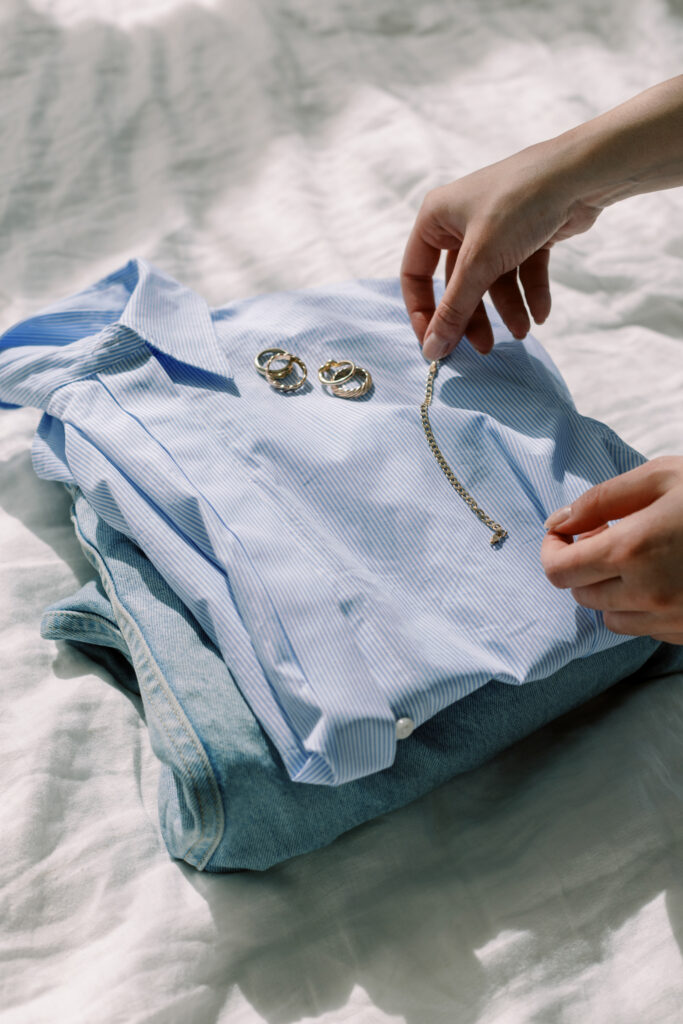
Treat Accessories as Visual Punctuation
Accessories can make an outfit more recognizable and give your hands something natural to interact with.
Consider:
- Earrings
- Necklaces
- Watches
- Rings
- Glasses
- Belts
- Shoes
- Scarves
- Handbags
- Hair accessories
Choose pieces that are visible without dominating every image.
If you regularly wear bold glasses or a particular style of jewelry, include them. A brand shoot does not need to present a more generic version of you.
Pay attention to sound and movement. Several bracelets may create noise during video. Large earrings can catch on hair. Shoes that are difficult to walk in may limit full-length and movement shots.
Bring options, but decide on the likely combinations before the shoot. Styling every outfit from scratch on location uses valuable camera time.
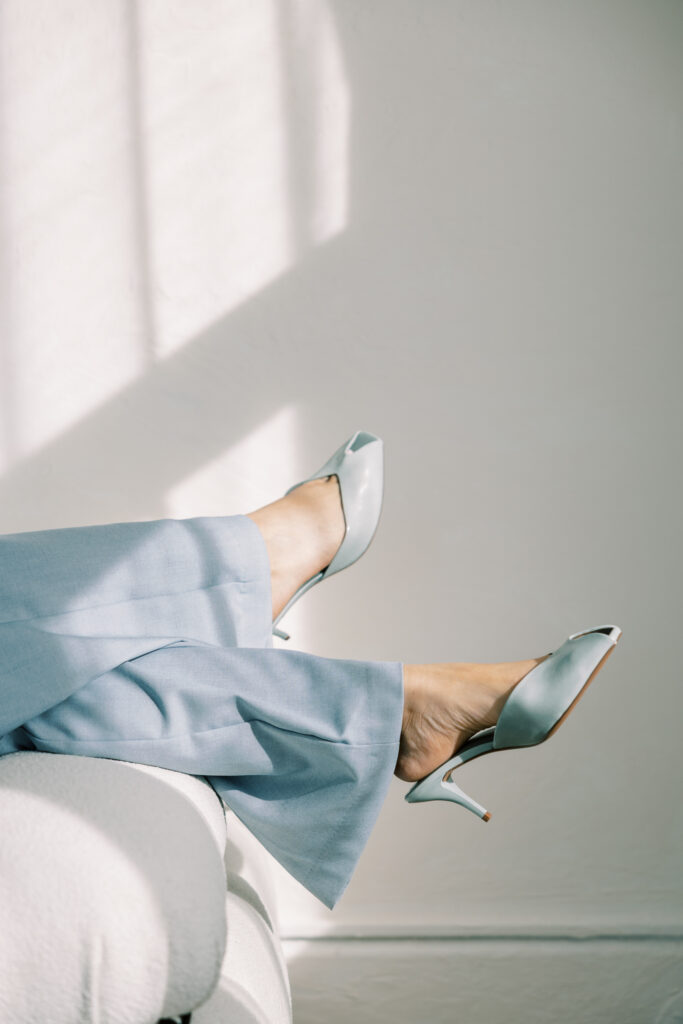
Do Not Forget the Shoes
Shoes are easy to overlook when planning portraits, especially if many photographs will be cropped above the waist.
They still matter.
Full-length images, seated poses, movement photographs, and detail shots may all include your shoes. They can also affect posture and the way an outfit hangs.
Bring footwear that:
- Completes the silhouette
- Is clean and in good condition
- Works with the location
- Allows you to stand or walk comfortably
- Reflects the formality of the brand
If heels are part of your signature style, wear them. Also bring flats or comfortable shoes for moving between locations.
For studio shoots, check whether the photographer has floor-protection requirements or asks clients to bring clean-soled shoes.
Plan for Website Crops and Text Placement
A photograph intended for a website hero section needs different composition than a square profile picture.
Your photographer should know which images require:
- Horizontal framing
- Vertical framing
- A square crop
- Negative space on the left
- Negative space on the right
- A close head-and-shoulders crop
- A full-length portrait
- Space above the subject for text
- Detail shots without a visible face
Wardrobe affects these compositions.
A jacket with a strong shoulder line may work beautifully in a horizontal banner. A long monochromatic look can create a clean vertical shape for Pinterest or social content. Interesting shoes, cuffs, or accessories provide useful detail photographs.
Create a shot list connecting each image need with an outfit and orientation.
For example:
| Image need | Outfit | Orientation |
|---|---|---|
| Homepage hero | Signature suit | Horizontal with space on the left |
| About portrait | Soft blouse and trousers | Vertical |
| Profile photograph | Signature suit | Square close-up |
| Process content | Relaxed working look | Vertical and horizontal |
| Service page | Blazer over base outfit | Horizontal |
| Detail images | Jewelry, notebook, shoes, bag | Mixed |
A clear plan helps you leave with a versatile brand library rather than several beautiful versions of the same photograph.
Dress for the Level of Access in Your Brand
Consider how personally accessible the founder is within the offer.
If clients work closely with you, overly formal photographs may create distance. If your role requires authority and high-stakes judgment, an entirely casual image library may undersell the level of expertise involved.
Most founder-led brands benefit from a range.
Include images that show:
- Authority
- Approachability
- Personality
- Process
- Ease
- Attention to detail
The wardrobe can shift these qualities subtly. Tailoring creates structure. Softer materials create warmth. Rolled sleeves suggest a working moment. A direct portrait carries a different energy from a candid seated photograph.
You do not need to communicate every quality in every image. Build the range across the complete library.
Avoid Dressing as an Imaginary Version of Yourself
A brand shoot can create pressure to become someone who looks more successful, fashionable, minimal, or editorial than you feel in everyday life.
Aspiration can be valuable. Disguise is harder to sustain.
If you never wear restrictive tailoring, an entire shoot in formal suits may feel disconnected from the person clients eventually meet. If your real wardrobe is colorful and expressive, reducing everything to beige because it appears sophisticated online may remove one of the most recognizable parts of your presence.
Aim for an elevated version of your existing style.
You might improve the fit, choose richer fabrics, refine the palette, or create more intentional combinations. The result should still feel familiar when you look at the photographs six months later.
Personal brand images work best when they help people recognize you, not when they introduce a temporary character.
Prepare Every Outfit Before Shoot Day
Complete a full try-on at least one week before the shoot.
For each outfit:
- Put on the exact undergarments
- Add the intended shoes and accessories
- Test all buttons and closures
- Sit, walk, and reach
- Take phone photographs in natural light
- Check the garment from the back
- Confirm the hem length
- Look for transparency
- Notice visible lines or bunching
- Decide how the sleeves and collar will be styled
- Assign the outfit to specific shots
Make alterations early enough to test them again.
Clean and steam every garment. Place each complete look on one hanger or in a separate garment bag. Attach the accessories or include a labeled photograph of the full combination.
Prepare a small styling kit with:
- Fashion tape
- Safety pins
- Lint roller
- Stain-removal pen
- Static spray
- Blotting papers
- Tissues
- Hairbrush or comb
- Makeup for touch-ups
- Clear nail polish
- Comfortable shoes
- Water and a simple snack
Bring one backup outfit. It should fit the brand, work with the location, and require minimal styling.
Coordinate With Hair and Makeup
Hair and makeup should support the visual story without making you feel unfamiliar to yourself.
Share your wardrobe colors, locations, lighting references, and brand mood with the beauty professional. Discuss whether the images should feel natural, polished, editorial, soft, or dramatic.
If you rarely wear heavy makeup, say so. Professional makeup can still be camera-ready without changing the features that make you recognizable.
Consider:
- How your hair works with jacket collars and necklines
- Whether earrings will become tangled
- How lipstick colors coordinate with clothing
- Whether a hairstyle can be adjusted during the shoot
- How humidity, wind, or movement may affect the look
- Whether your hands and nails will appear in detail photographs
The objective is not flawlessness. It is continuity between the photographs and the person the audience will eventually encounter.
Build a Personal Brand Photoshoot Capsule
You do not need a large wardrobe to create a versatile image library.
A practical capsule might include:
- One signature jacket or suit
- One pair of tailored trousers
- One dark or medium-wash jean
- Two simple tops
- One softer blouse or knit
- One dress or skirt option
- One casual layer
- Two pairs of shoes
- One structured bag
- Two jewelry combinations
Choose pieces that can be recombined.
For example, one pair of trousers may work with a blouse, fitted knit, blazer, and vest. That creates four variations while keeping the images cohesive.
Prioritize clothes with excellent fit over a large number of options. It is better to photograph three intentional looks thoroughly than rush through seven outfits without enough time for meaningful variety.
What Not to Wear for a Personal Brand Photoshoot
There are no universal prohibitions, but approach the following carefully:
- Clothing that requires constant adjustment
- Fabrics that wrinkle immediately
- Very tight repeating patterns
- Large unrelated logos
- Shoes you cannot stand or move in
- Colors that disappear into the background
- Trend-driven pieces that do not feel like you
- New garments you have never worn
- Uncomfortable undergarments
- Accessories that create distracting noise or glare
- Outfits without a clear purpose in the image library
Most importantly, avoid anything that makes you feel self-conscious from the moment you put it on.
The camera notices discomfort through posture, expression, and movement. Confidence does not require the boldest outfit. It often begins with knowing that your clothing fits, stays in place, and supports the way you naturally move.
Make the Images Work After the Shoot
The value of the wardrobe plan becomes visible when you begin using the photographs.
After receiving the final gallery:
- Organize images by outfit, orientation, and intended use
- Identify homepage and profile-image options
- Create folders for services, About, content, press, and launches
- Note which images have room for text
- Save web-sized and high-resolution versions appropriately
- Update outdated profile photographs
- Add images to relevant website pages
- Build several repeatable content templates
- Record usage or licensing details
- Back up the complete gallery
Avoid publishing every image within the first two weeks. Introduce the library gradually so it can support the brand over time.
A strategic set of photographs may remain useful even as your content changes because the wardrobe, composition, and brand message were planned together.
Personal Brand Photoshoot Wardrobe Checklist
Before shoot day, confirm that:
- Each outfit reflects the qualities of the brand
- Every look has an intended business use
- The wardrobe works with the locations and backgrounds
- Colors coordinate with the visual identity
- The outfits feel related without looking identical
- You have one strong signature look
- Every garment has been tested standing and seated
- Fabrics photograph well
- Shoes and accessories complete each outfit
- Full-length, cropped, horizontal, and vertical images are planned
- Clothing is altered, cleaned, and steamed
- Outfits are organized in shooting order
- You have a styling kit and backup look
- Hair and makeup complement the wardrobe
- You feel comfortable and recognizable in every outfit
Wear the Brand Without Becoming a Costume
The best personal brand photoshoot wardrobe does not disguise you as the founder you think you should resemble.
It makes your existing presence easier to see.
Begin with the work, audience, and feeling behind the brand. Build a cohesive wardrobe story, choose one signature look, and plan every outfit around the photographs your business actually needs. Refine the colors, fabrics, layers, and details without losing the style people will recognize when they meet you.
When the wardrobe and brand are aligned, the images feel polished without becoming impersonal. They show someone with taste, perspective, and a clear sense of where her work belongs.
If you want your personal brand to feel more cohesive before your next photoshoot, explore Reverie Maven’s services for thoughtful support clarifying the strategy, visual direction, and online presence behind the images.
YOUR FREE STARTING POINT
Start with The Reverie Reset
A reflective workbook for reconnecting with yourself, getting clearer about what you genuinely want, and beginning to create a life and presence that feel more aligned, intentional, and fully your own.
Consider this your first step out of “someday” and toward what comes next.